

What if everything you know about exercise and motivation is about to change? Have you ever wondered why sticking to an exercise routine can feel like an uphill battle, yet some people seem to radiate excitement when they move their bodies? It’s not simply about willpower—there’s a deeper, more natural force in play: joyful movement. In this article, we’ll challenge the old “no pain, no gain” mindset and explore how finding joy in movement could be your key to lasting well-being and a healthy relationship with exercise.
Does joyful movement challenge everything you know about motivation and exercise?
For most of us, the word “exercise” conjures images of sweat-drenched gym sessions and strict routines—often motivated by guilt or obligation. But what if there was another way? Joyful movement flips the script, inviting us to move in ways that actually make us feel good and excited. Unlike traditional physical activity, which sometimes feels like a chore, joyful movement is rooted in finding joy and pleasure in the act itself, whether that’s dancing, hiking, stretching, or even playful family walks in the park. This new approach is revolutionising the way people, think about motivation, protective factors, and their relationship with physical health.
Research, including recent community and social innovation studies, highlights that people who choose activities they enjoy are more likely to make movement a sustainable part of daily life. The emphasis shifts from willpower to enjoyment—turning exercise from something you “have” to do, into something you genuinely want to do. In doing so, joyful movement has become an important protective factor against burnout, negative relationship with food , and even youth and drugs challenges in community health. Are you ready to find joy in moving your body again?
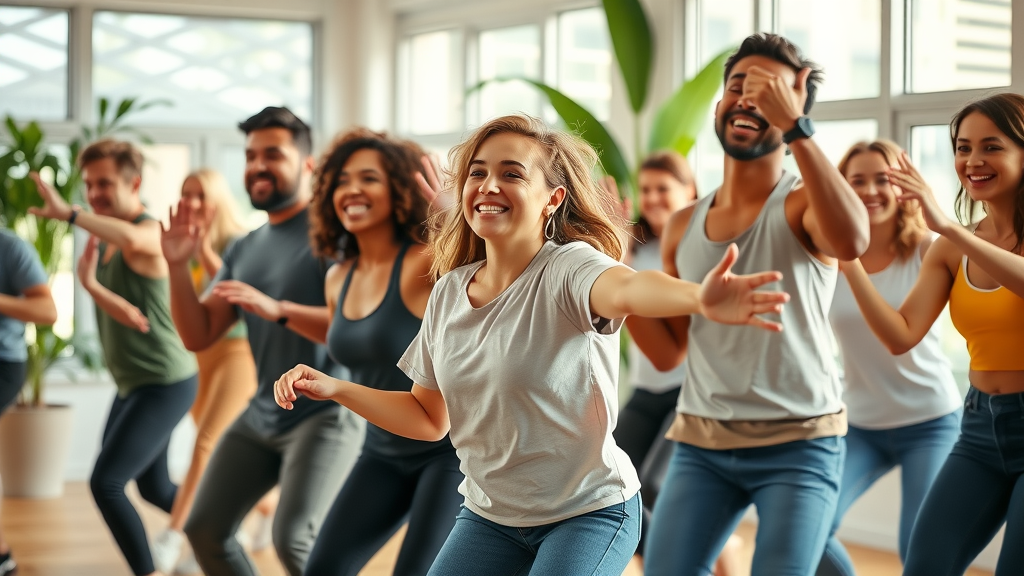
By reading this article, you will discover the surprising benefits of joyful movement, understand how it differs from traditional exercise, and learn how to integrate it into your life for better physical and mental well-being.
Understanding Joyful Movement: More Than Just Exercise
Defining joyful movement and its core principles
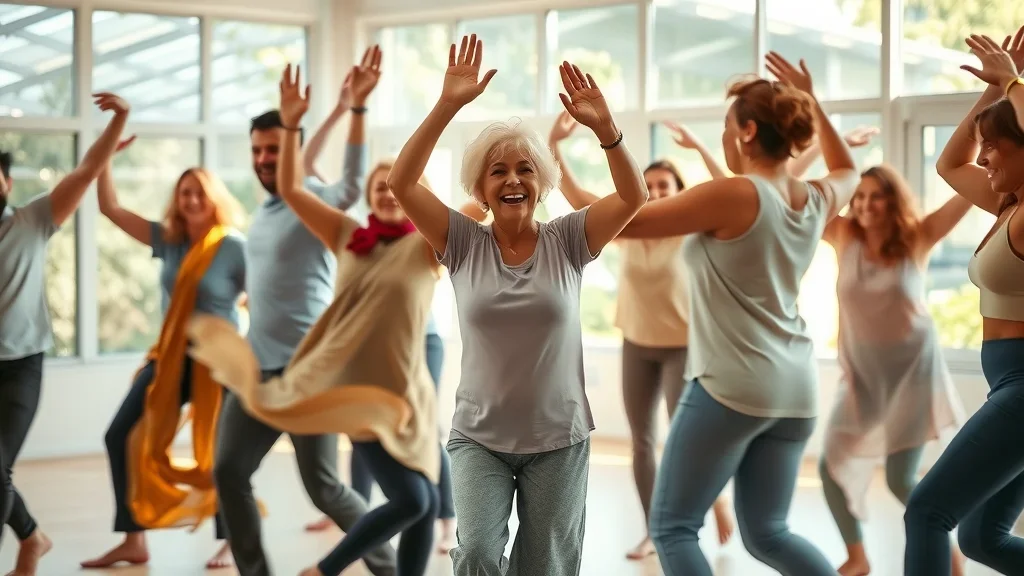
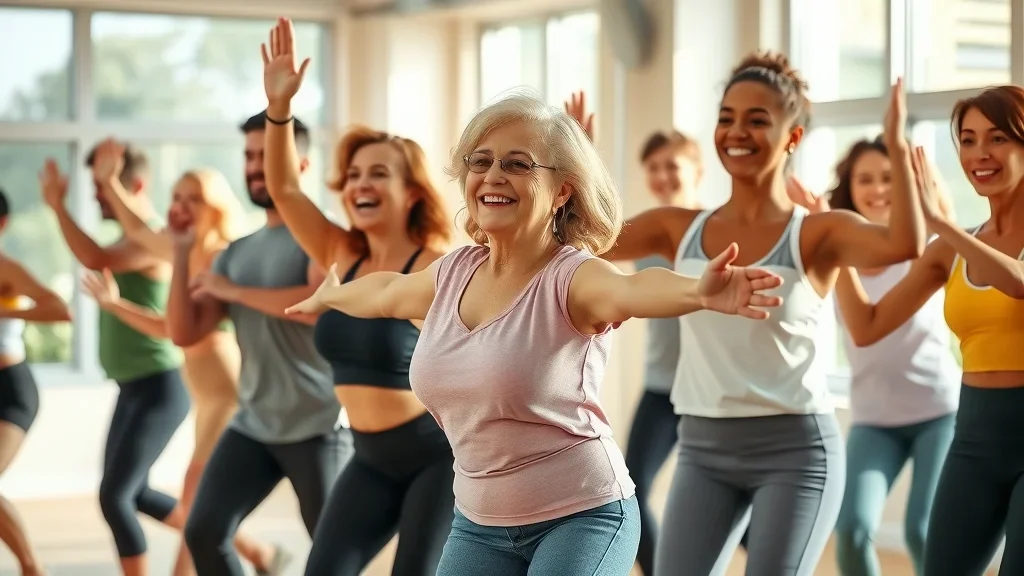
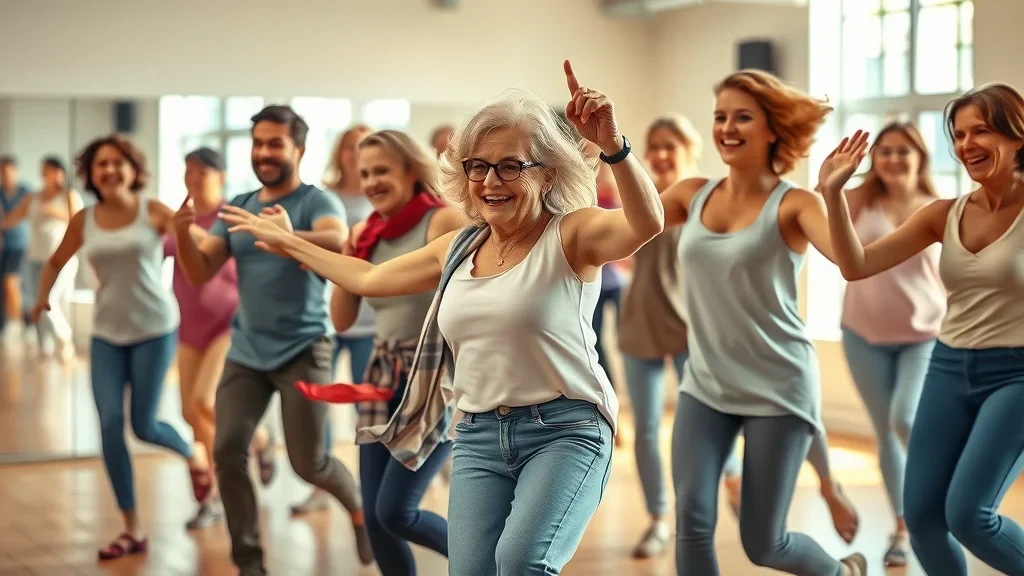
Joyful movement isn’t just a buzzword—it’s a philosophy grounded in community action and an accessible approach to healthy living. At its core, it emphasizes moving your body in ways that make you feel uplifted, supported, and connected. This means replacing strenuous exercise routines with activities you actually want to do, whether that's dancing in the living room, practicing yoga outdoors, joining a friendly game of basketball, or walking with friends. Joyful movement values your preferences, your body’s signals, and the desire to feel good , making movement a celebration rather than a punishment.
The principles of joyful movement center around inclusivity and freedom. It welcomes people of all ages, abilities, and backgrounds who may not feel at home in traditional fitness environments. Rather than being obsessed with weight loss or “burning calories,” joyful movement helps develop a healthy relationship with exercise and fosters protective factors for mental health. The result? More people, are able to find joy and make positive experiences with physical activity a regular part of life.

Historical context: From strict exercise to joyful movement
The history of movement and exercise has long been shaped by rigid, results-driven mindsets. Decades ago, gyms, fitness studios, and health classes mostly promoted “no pain, no gain” slogans, emphasizing intensity, discipline, and often unattainable appearance-based goals. For many—especially those with marginalized identities or negative experiences—these environments contributed to a fraught relationship with exercise and even exclusion from community sports and wellness programs.
In recent years, however, voices from community research , body positivity movements, and social media advocates have begun to shift the narrative. This evolution reflects a growing recognition that physical activity should enhance everyone’s well-being and healthy relationship with their bodies—regardless of social norms or external pressures. The trend is clear: joyful movement is the next step in community and social innovation, redefining what it means to enjoy moving every day.
How Joyful Movement Empowers the Mind and Body
The psychological benefits: Motivation, freedom, and self-acceptance
One of the most powerful outcomes of embracing joyful movement is its impact on mental and emotional health. When you choose to move in ways that make you feel confident, free, and accepted, motivation comes naturally—without the internal battles often tied to willpower and self-criticism. This is especially relevant for individuals who may face unique barriers in mainstream fitness culture. Joyful movement becomes an important protective factor for mental health, supporting people through stress, anxiety, and even body image struggles.
Practicing joyful movement also helps you develop a non-judgmental relationship with your body. By shifting from a performance-based mindset to one anchored in pleasure and acceptance, you can start finding joy in simply being present during movement. This attitude fosters lasting self-worth and encourages participation, regardless of skill level or body type. You’re not just exercising—you’re celebrating your body’s abilities and the happiness movement can bring.
Physical health boosts from choosing joyful movement over willpower
The physical benefits of joyful movement are significant and supported by a growing body of research. Whether you’re walking, cycling, dancing, or playing a sport you love, integrating movement seamlessly into daily life leads to improved cardiovascular health, stronger muscles, better sleep, and reduced risk of chronic illness. Unlike rigid exercise routines that often result in burnout or injury, joyful movement adapts to your needs and encourages consistency.
Beyond the gym, community action and group activities make movement more social and rewarding. Participating in supportive environments—online or in-person—helps reinforce positive habits and makes you more likely to stick with your chosen activities. When movement becomes less about willpower and more about what makes you feel happy, the physical health rewards follow as a natural, sustainable consequence.
"When movement brings joy, it no longer feels like a chore—it becomes an integral, exciting part of life."
Joyful Movement vs. Willpower: Rethinking the 'No Pain, No Gain' Mindset

Key Differences Between Joyful Movement and Traditional Exercise Approaches |
||
Aspect |
Joyful Movement |
Traditional Exercise |
|---|---|---|
Motivation Source |
Intrinsic (find joy, pleasure, connection) |
Extrinsic (willpower, appearance, obligation) |
Long-term Sustainability |
High—movement is consistent and enjoyable |
Often low—risk of burnout or abandonment |
Emotional Impact |
Positive self-acceptance, reduced stress, feel good |
Prone to guilt, self-criticism, and comparison |
Social Aspects |
Community action, inclusive, supportive groups |
Can be isolating or competitive environments |
Practical Ways to Embrace Joyful Movement Every Day
Identify activities that spark genuine joy: Think back—what types of exercise or movement made you smile as a child? Try dancing, hula hooping, or nature walks to see what makes you feel energized.
Remove obligation, focus on feeling good: Instead of focusing on steps or calories, check in on how your movement makes you feel both physically and emotionally.
Integrate joyful movement into routines: Take active breaks at work, have dance breaks with family, or swap car rides for walking with a friend—small changes add up.
Measure progress by joy, not calories: Pay attention to your sense of well-being and excitement to move, rather than numbers on a scale or tracker.

Real-life stories: Transformations through joyful movement
Let’s look at a few inspiring examples. Anna, a member of a local community club project in Halswell , struggled for years with exercise routines that felt alienating. After joining the happy body dance studio, she found confidence, made new friends, and reconnected with her body through joyful movement. Anna credits this shift with helping her manage stress and cultivate a healthy relationship with food and exercise.
One participant shared, “We stop thinking about calories and instead measure our progress by the laughter we share and how we feel good after leaving class.” These real-life transformations show that focusing on joy, connection, and inclusion leads to profound personal growth and lasting commitment to movement.

Frequently Asked Questions About Joyful Movement
What is joyful movement?
Joyful movement is a way of moving your body that focuses on enjoyment, pleasure, and genuine happiness instead of external appearance or rigid routines. Whether it’s dancing, stretching, cycling, or playing, the goal is to choose activities that make you feel good and connected—making movement a positive, consistent part of daily life for everyone.
What is the difference between exercise and joyful movement?
The main difference lies in motivation and mindset. Traditional exercise can sometimes feel like an obligation tied to willpower or appearance. In contrast, joyful movement is all about choosing activities you enjoy based on how they make you feel . The focus on pleasure, self-acceptance, and fun means you’re more likely to integrate movement into your life for the long haul.
What is a happy movement?
A “happy movement” refers to any physical activity that naturally brings a sense of contentment and well-being. This might include community walks, group games, dancing, or simply stretching outdoors—anything that leaves you feeling uplifted and energized. The concept emphasises finding joy and celebrating movement as a source of happiness rather than a duty.
Looking Forward: The Future of Joyful Movement
Shifting perspectives in the fitness world
Leaders across the wellness industry, including instructors and social media advocates, are increasingly embracing the philosophy of joyful movement . Fitness spaces are evolving to prioritise inclusion, community action , and the mental health benefits of movement. Organisations in Christchurch and beyond are creating programs for young people and those looking for holistic healthy alternatives , to foster important proactive actions through social innovation. This shift is redefining what “success” in fitness means - centered around joy and well-being, rather than relentless willpower or appearance.
As the benefits of joyful movement become more widely recognised, expect to see continued growth in community research, accessible programming, and holistic approaches that prioritise the mental, emotional, and social benefits of staying active. The goal: making movement something everyone can look forward to, regardless of age, ability, or background.
How to inspire a new generation to move joyfully
Empowering the next generation starts with embracing diversity, inclusion, and creativity in our approach to movement. School programs, community organisations, and even social media influencers can help by showcasing a broad range of activities that celebrate individuality and well-being. By modeling healthy relationships with food and exercise, we foster environments where young people and adults alike learn that movement is about joy, not perfection. Encouraging stories, inviting spaces, and accessible options are key to inspiring the world to rediscover joyful movement as part of daily life.
Are you ready to rediscover the power of joyful movement?
Now is the time to transform your relationship with movement! Are you ready to find out more about Joyful Movement? Join us for a couple of classes and experience the power of moving joyfully—your body, mind, and spirit will thank you.
Joy Creates Sustainability
Joy doesn’t need to be forced. When movement becomes something you look forward to, consistency follows naturally. Over time, joy builds energy — and that’s how true change happens.
Ready to Move with Joy?
✨ Try a class — in person or online
✨ Feel what your body has been waiting for
✨ No pressure, no judgment — just joyful movement

Write A Comment